A separate QA review
The person who builds a change does not approve it. QA checks the agreed workflows, failure cases, and devices.
Custom web, mobile, and software development
Philippines, working US & AU hoursCustom websites, web applications, and mobile apps. Designed and built by Anito’s team, with a clear scope, independent QA, and ownership from day one.
A clear scope. A team of developers and QA. No sales call unless you ask for one.
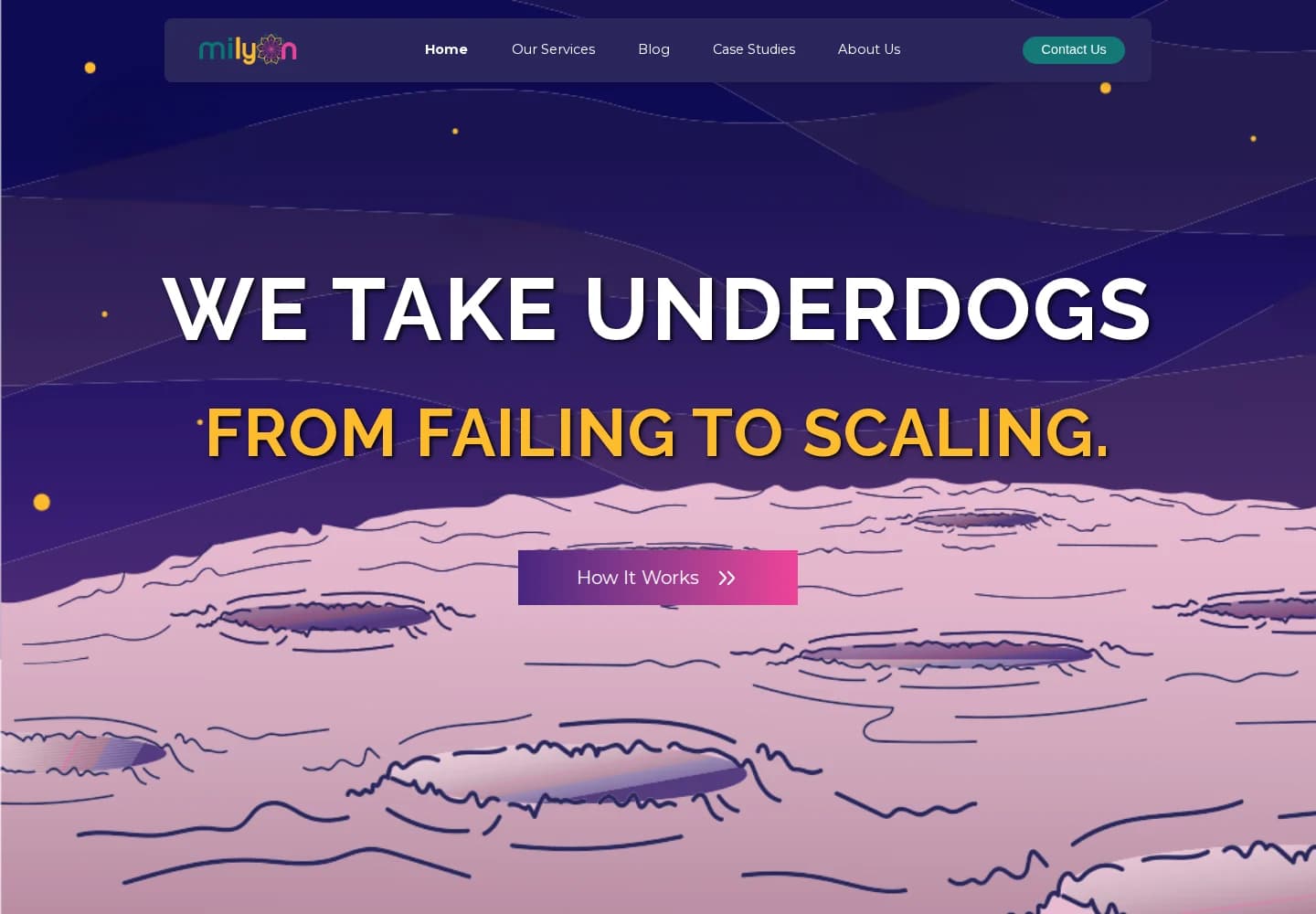 Live website · Design and development
Why choose Anito
You should not have to take a developer’s word that your software is ready. Choose Anito for a team that separates building, checking, and your decision to launch.
The person who builds a change does not approve it. QA checks the agreed workflows, failure cases, and devices.
Review working software, recorded findings, and unresolved issues before you approve a milestone or release.
Your repository and accounts are in your name from day one. The handover includes code, documentation, and deployment steps.
01 / What we do
From a public website to an application with accounts, permissions, and business rules. Each one says what you get, what gets checked, and what moves the price.
Compare all sixBusiness websites, customer portals, dashboards, and internal tools built around the way your business already works.
Design & developmentiOS and Android apps for customers, staff, and crews working away from a desk.
iOS & AndroidProduction failures, inherited codebases, and projects a previous developer walked away from.
Diagnosis & recoverySomebody accountable for the software your business depends on, in writing, with hours and response times.
Ongoing supportMake the software you already pay for talk to itself, and know what happens when one side goes down.
Connected softwareTake the sorting, extracting, and retyping off your team, and keep a human in front of anything that matters.
Business operations02 / The work
Milyon Digital is live, and you can open it in another tab right now. Celestra and FMMS are working applications with recorded walkthroughs and demonstration data. Every label says exactly what each one is.
Live website, designed and built by Anito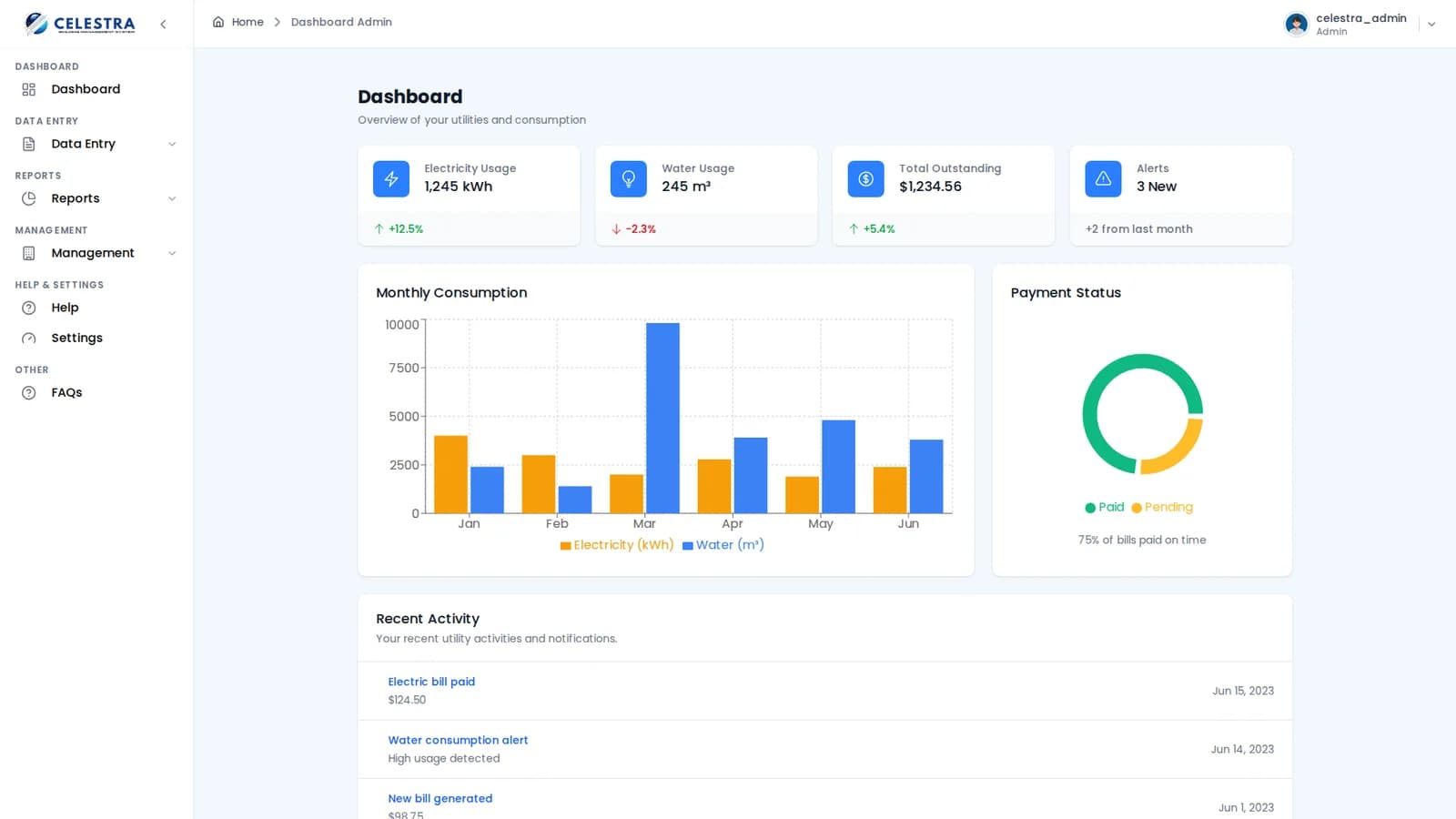 Application screen, demonstration data
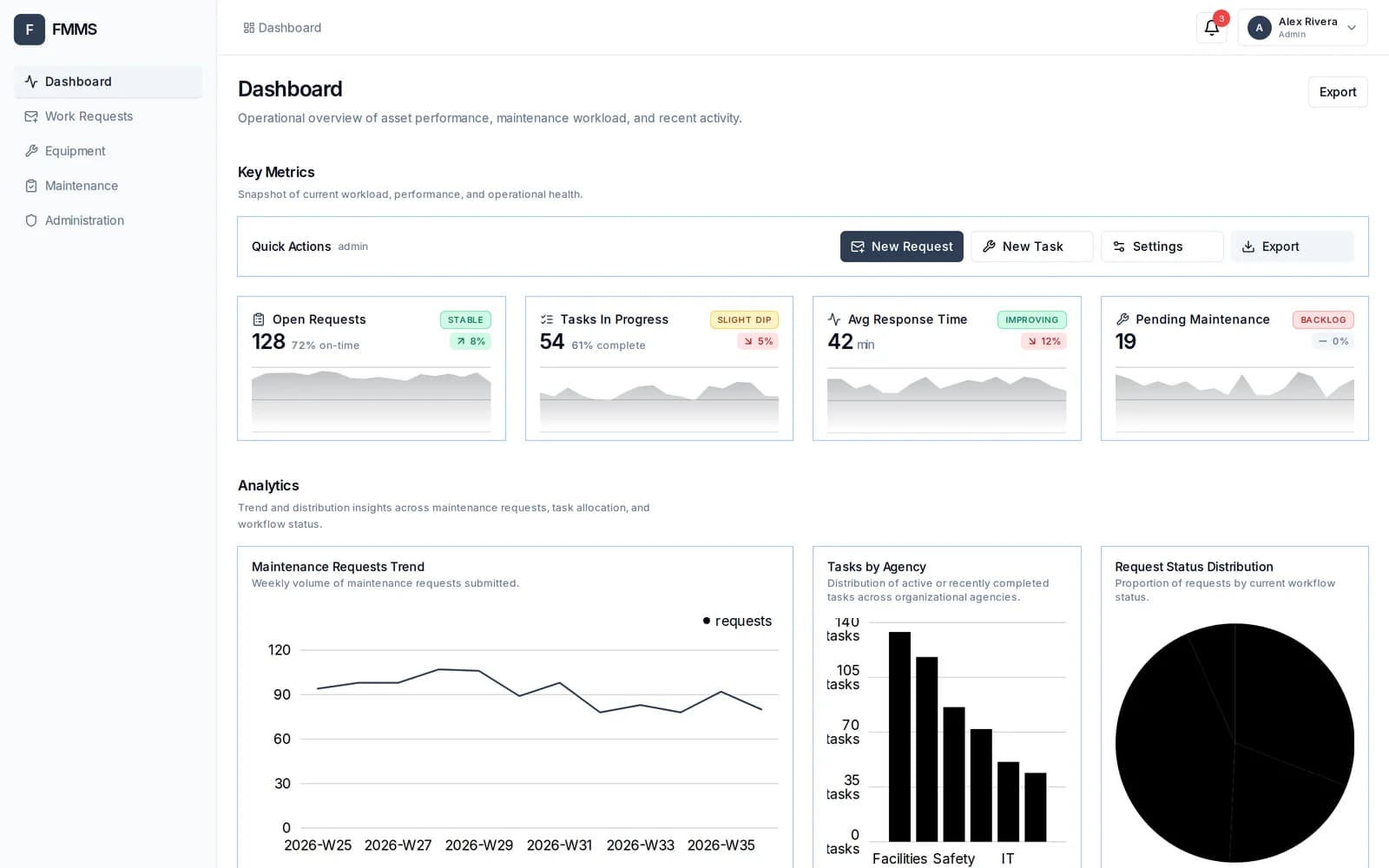 Application screen, demonstration data
Milyon Digital: website design and development. Celestra and FMMS: application showcases with demonstration data. Silent film; project details are available above.
Anito vs. AI / vibe coding
Because the work includes deciding what the app must do, checking that it does it, and making sure you can operate it after launch. Anito makes those responsibilities part of the delivery agreement.
Compare Anito with prompt-only deliveryAgree on workflows, permissions, and what counts as done before development starts.
QA checks the agreed workflows and failure cases. The person who builds a change does not approve it.
You receive the code, account inventory, configuration, and release instructions. Ongoing support is agreed separately.
AI-assisted development can produce good software. A prototype can be enough to explore an idea. For an app your business relies on, ask for the evidence behind the demo, whichever tools the builder uses.
03 / Where you are
None of them is a comfortable place to be sitting. Find yours and jump straight to the part that deals with it.
The site is down, crawling, hacked, or the checkout quietly stopped taking payments. You do not need a strategy deck. You need somebody to find it and stop it.
You have half a product, no documentation, and you are not certain you hold the passwords. Nobody will tell you plainly what it would take to finish it, or whether finishing it is even the right call.
Twelve tabs open, three systems that do not talk, and somebody re-typing the same order into two of them. It worked fine at your old size. It is now the reason nothing scales.
Your crew writes jobs down at the end of the day from memory, or on paper that goes missing, or in an app that syncs when it feels like it. The office finds out what happened two days later.
The prices are wildly apart, each scope is written in its own private language, and not one of them tells you what you actually end up owning. So the decision comes down to a gut feeling about strangers.
If none of these is you, that is useful information too. Send the situation you are actually in and you get a plain answer about whether we are any help.
Describe your situation04 / Straight answers
Every one of these is a reason somebody walks away from hiring a development company. Here are our answers, in public, before you have spoken to anyone.
There is no one number, because a five-page website and a warehouse system are not the same job. What we can publish is how the number gets made. The scope is written down first, including what is not in it. The price attaches to that document. If something new comes up mid-build, you get the cost and the schedule impact in writing before anybody starts it. No invoice arrives at the end for work you never approved.
Ask any developer for the exclusions list. The ones who have one will send it in a day.
You do. The repository is created under your name or your company’s, not ours. Same for hosting, domains, and every service account we touch. That happens at the start of the project, not handed over at the end as a reward for clearing the final invoice.
Ask to be made owner of the repository in week one. Watch what the answer is.
You still hold everything. The code as of the last commit, the accounts, the deployment steps, and an honest list of what was finished and what was not. That is the reason access is set up on day one instead of at handover. A handover you can only get by asking nicely is not a handover.
Any project where you cannot log in yourself today is a project you do not control.
Choose Anito if you want a development team whose work is checked by someone other than the person who built it. Developers implement the software. QA checks the agreed workflows, failure cases, and devices, and records the findings. You review working software and any unresolved issues before deciding whether to accept it. This gives you a written basis for the decision, rather than a developer’s assurance that it is done.
Compare the review process in writing. Ask every provider who tests the work, what evidence you receive, and who decides whether it is ready to launch.
Compare what each team agrees to deliver. Anito commits to the checks below. Ask every provider to put its QA, acceptance, and handover responsibilities in writing before you choose.
Nobody can answer that honestly from a first email, and anyone who does is guessing in front of you. What we can tell you straight away is what the answer hangs on: how many workflows, how many kinds of user, which outside systems it has to talk to, and how ready those systems are. After discovery you get milestones with dates on them, and the dates come with the assumptions they depend on.
A date with no assumptions attached is a wish. Ask what has to be true for it to hold.
You take the software and go. No exit fee, no platform of ours you are locked onto, no license you have to keep paying for. The documentation is written so another team can pick it up cold, because a handover that only works while we are still around is not a handover.
Ask what leaving costs. Every answer other than nothing is a number worth knowing now.
Launch is a milestone, not the finish line. Support is its own written agreement rather than a favor, and it names the systems covered, the hours, how quickly we respond, and how much work is included. If you would rather your own team took it over, the documentation is built for exactly that.
Get the support terms in writing before launch, not after the first outage.
Ask, and you get a yes or a no. Where the honest answer is no, we say so and tell you what that does to the risk and the estimate. Learning on your budget without mentioning it is not something we are willing to do.
Ask for the closest thing they have built and what was different about it.
Calauan, Laguna, in the Philippines. Anito System Solutions Inc. is a registered Philippine corporation, SEC number 2025020188689-10, registered February 16, 2025, and BIR registered the following month. We work US and Australian hours and write things down rather than stacking calls across time zones. If you want a person on a call at your 9am, say so and we are there.
A company you cannot find in a public registry is a company with nothing to lose.
05 / What it costs
You cannot compare three quotes written three different ways. Here is how ours is built, so you can hold the other two to the same standard.
Real ranges for work starting in 2026, because a page about pricing with no prices is not about pricing. Your written scope turns one of these into a real quote, with the assumptions sitting next to it.
From $3,500. Most land $4,000 to $12,000.
Design, build, and a publishing system your own team can run.
From $8,000. Most land $12,000 to $45,000.
Accounts, roles, workflows, and the systems behind them.
From $12,000. Most first releases land $15,000 to $40,000.
One platform first, the second after the first is earning.
$900 to $2,500, fixed by the size of the system.
Priced on its own. The findings are yours to take anywhere.
From $650 a month, near 10 to 15 percent of the build cost a year.
The agreement names the hours, the response times, and what is not covered.
A bounded pilot from $2,500. A workflow in production, $3,000 to $9,000.
The pilot evidence comes before anything consequential is touched.
From $3,500 where it stands alone.
Usually a line inside a bigger quote, naming which records move.
For comparison: Western boutique agencies bill roughly $75 to $150 an hour in 2026, and small-business websites there run $6,000 to $35,000. Our numbers sit below that because the team is in the Philippines working US and Australian hours. That is the whole difference, printed here instead of discovered in week six.
The written scope comes before the figure, and it lists what is excluded as carefully as what is included. A price with no exclusions list is not a price, it is an opening position.
Payment is tied to stages you can see and check. You review working software at each one before the next stage starts.
Anything new gets a written cost and schedule impact, and waits for your approval. Nothing gets built on the assumption you will agree later.
For an existing system, the investigation is priced separately and on its own. You can take those findings to any developer, including one who is not us.
Send a description of the work and you get a range and the assumptions behind it before anyone asks you to book a call.
06 / How a project runs
Who uses it, what they need to get done, which systems it has to live alongside, and what happens when one of them fails. You end up with a first-release scope and the list of things nobody has answered yet.
Screens, architecture, deliverables, what counts as done, cost, and milestones, all on the table before development starts. This is the last cheap moment to change your mind, so we spend real time here.
You review working software at each milestone rather than reading status reports. QA checks the agreed workflows, devices, and failure states, and anything unresolved stays visible instead of quietly closing.
You approve the release plan, take delivery of the code and the operating documentation, and decide what support looks like. Nothing about what happens after launch is left as an assumption.
Before anything gets built you have a written scope: the deliverables, what is deliberately excluded, the dependencies, the milestones, and what counts as done. Anything new that comes up later arrives with its cost and schedule impact attached, and waits for your yes.
Working features go into a test environment you can open yourself. QA runs the agreed workflows and failure cases and writes down what broke. Nobody signs off on their own work, which is the ordinary way real software teams operate and the first thing that gets skipped under deadline.
Repository, hosting, and service accounts are in your name from day one, not handed over at the end in exchange for a final invoice. Your handover includes the code, the configuration, the deployment steps, the account list, and an honest list of what is still open.
07 / Who you would be dealing with
Plenty of software gets bought from a logo and a contact form. Here is everything about us that you can verify without taking our word for any of it.

Founder
Seventeen years in IT, from a service desk through to principal architect. Four of those were spent at Pantheon running the support team that got the tickets when mission-critical sites fell over, which is where the habit of diagnosing before touching anything comes from.
Check the career record on LinkedInAnito is a company with a founder, a delivery team, and QA that sits outside the build. Anthony scopes the work and stays the accountable contact. Nobody at Anito signs off on their own work.
Anito System Solutions Inc. is a registered Philippine corporation founded by Anthony Garces. The team handles website design, web and mobile development, repair work on inherited systems, integrations, and ongoing maintenance. Anthony scopes the work and stays the accountable contact. QA sits outside the build, so the person who writes a change is never the person who approves it.
More about the company08 / The honest no
Nobody writes this section, which is exactly why it is worth reading. If you are in one of these four, you will get told, and you will get told before you have spent anything.
If what you need is a handful of pages and a contact form, a good WordPress theme or a Squarespace site will do it faster and for a fraction of the money. We will say so, and we will tell you what to look for.
Some deadlines cannot be met without shipping something that hurts you. We will tell you what is genuinely achievable in the time you have. Where the honest answer is nothing worth having, that is the answer you get.
We will lose that one, and we would rather lose it here than in month three. The cheapest quote is usually cheapest for a reason, and the reason tends to show up after the deposit clears.
We work remotely from the Philippines across US and Australian hours, writing decisions down as we go. If the project needs people physically in your office, that is not us and we will say so on the first email.
09 / Writing
An agency telling you when not to hire one sounds strange. Here are the four cases where the cheaper tool wins, with the 2026 evidence.
Read articleThe cheapest quality assurance is structural: the person who accepts the work is never the person who built it. Here is what that looks like in practice.
Read article90% of technologists use AI at work, and trust in its output is falling. Here is the question that separates governed AI from hopeful AI.
Read articleNext step
Tell us what is broken, what you are trying to build, or what you have been quoted by somebody else. You get back a plain reply about what we would do, what it depends on, and whether you need us at all.
Replies come from a person. No automated sequence, no pressure, and an honest no when that is the right answer. Please leave passwords and customer data out of the form. Access gets arranged separately and safely.